Crafting Depth: The Rise of the DIY Bat 3D Papercraft Template in Modern Home Decor
The landscape of seasonal home decoration has shifted dramatically over the last decade. Gone are the days when Halloween decor was limited to mass-produced plastic skeletons and inflatable yard displays that lacked character. Today's homeowners, creators, and design enthusiasts are seeking authenticity, texture, and a hands-on connection to their environment. This desire for tangible creativity has propelled the DIY Bat 3D Papercraft Template from a niche hobbyist project into a mainstream solution for sophisticated wall art. By bridging the gap between digital accessibility and physical craftsmanship, these low-poly models offer a unique way to transform flat surfaces into dynamic, shadow-casting installations.
At its core, this trend represents a broader movement toward "slow decor." In an era dominated by instant digital gratification and same-day delivery, there is a growing appreciation for objects that require time, patience, and skill to create. The process of assembling a 3D bat from a PDF or SVG file is not merely about producing a decoration; it is an exercise in mindfulness and spatial reasoning. For professionals and entrepreneurs who spend their days behind screens, the tactile nature of cutting, folding, and gluing cardstock provides a necessary counterbalance to modern workflows. It allows individuals to reclaim agency over their creative output, resulting in a piece of art that carries personal significance rather than just retail value.
The Evolution of Digital Files into Physical Art
The technology behind these projects has evolved to meet higher user expectations. What was once a blurry photocopy in a craft magazine has become a precision-engineered digital asset. The modern Bat Papercraft for Halloween Decor typically arrives as a comprehensive package including a 15-page printable PDF, an SVG file for vector editing, and often a Silhouette Studio file for those with electronic cutting machines. This multi-format approach ensures accessibility for everyone, from the traditionalist who prefers scissors and a ruler to the tech-savvy maker utilizing a Cricut or Silhouette Cameo.
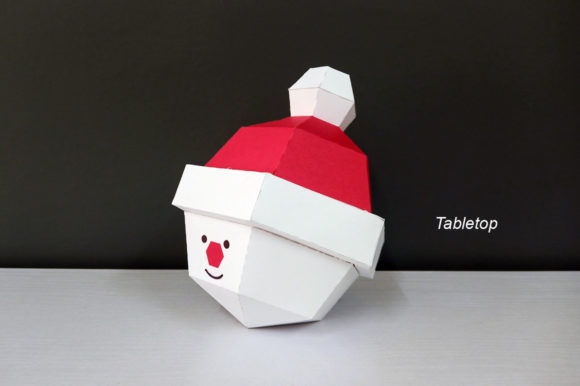
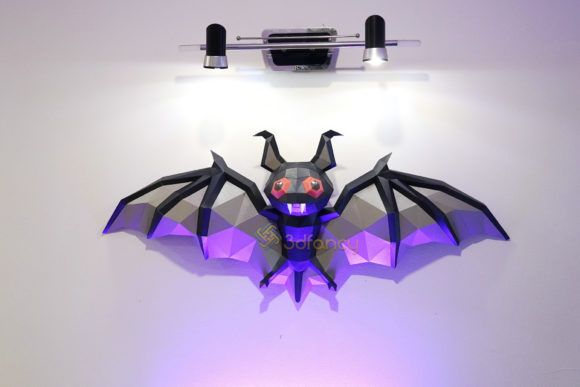
The specific geometry of these models relies on "low poly" design principles. Originally a term from 3D computer graphics referring to models with a small number of polygons, in the papercraft world, it describes a faceted aesthetic that mimics complex curves using flat planes. This style is particularly effective for bats, as the angular wings and sharp features create dramatic shadows when mounted on a wall. The dimensions of a standard large-scale model—often reaching a height of 320mm, a width of 800mm, and a depth of 112mm—allow it to command attention as a focal point in a living room or entryway, far exceeding the visual impact of a flat paper cutout.
Customization and Color Theory in Seasonal Design
One of the most compelling aspects of using a DIY Bat 3D Papercraft Template is the limitless potential for customization. Unlike store-bought items that come in fixed colors, these templates invite experimentation. A standard color scheme might suggest using red for the first sheet, white for the second, varying shades of gray or purple for sheets three through eight, and black for the final structural layers (sheets nine to fifteen). However, this is merely a starting point.
Creative users are increasingly adapting these palettes to match existing interior design themes. A minimalist home might benefit from a monochromatic scheme using only varying weights of black and charcoal cardstock, creating a subtle, textured silhouette that blends into the wall until the light hits it just right. Conversely, a vibrant party setting might call for neon greens, electric purples, or metallic golds. The ability to spray paint the finished model or color the paper before assembly adds another layer of professional finish. If high-quality colored cardstock is unavailable, crafting with standard white paper and applying acrylics or sprays afterward is a viable and often preferred method for achieving a uniform, matte, or glossy look that suits specific lighting conditions.
Practical Implications for Makers and Businesses
For freelancers, educators, and small business owners, understanding the mechanics of these templates opens up new avenues for service and product creation. The difficulty level is generally rated as medium, requiring approximately four hours or more to complete. This time investment makes it an ideal workshop activity for community centers, corporate team-building events, or educational settings where STEM concepts (geometry, engineering, fine motor skills) can be taught through art.
From a business perspective, the demand for unique, handcrafted Halloween gifts and wall decor is rising. Consumers are willing to pay a premium for items that feel bespoke. A creator who masters the assembly of these low-poly bats can offer custom installation services for local businesses, restaurants, or event planners looking to elevate their Halloween party aesthetics beyond generic decorations. Furthermore, the digital nature of the source files means that inventory costs are non-existent until a sale is made, aligning perfectly with lean startup methodologies.
Essential Tools and Material Considerations
Success in papercraft hinges on material selection and tool precision. While the template files are digital, the physical result depends entirely on the substrate used. The recommendation for 250gsm to 300gsm card stock is critical; lighter paper will buckle under the tension of the folds and fail to hold the 3D structure, while heavier board may be impossible to fold cleanly without scoring. A4 paper is the standard format, but ensuring the printer scale is set to 100% is vital to maintain the geometric integrity of the tabs and slots.
The toolkit required is accessible yet specific:
- Precision Cutting: A sharp craft knife or high-quality scissors are non-negotiable. Jagged edges ruin the seamless look of the low-poly facets.
- Adhesion: Standard school glue often warps thin paper. Craft glue or 3M adhesive products provide the immediate tack and long-term hold needed for the numerous small tabs involved in a model of this complexity.
- Measurement: A ruler is essential not just for cutting straight lines, but for scoring fold lines accurately before bending, ensuring crisp edges.
It is important to acknowledge that some small pieces within the design can be difficult to manipulate. This is where patience becomes a tool. Rushing the gluing process often leads to misaligned wings or collapsed sections. The advice to "experiment" is not just about color; it applies to technique as well. Some makers find it easier to assemble sub-sections of the wing before attaching them to the body, while others prefer a sequential build. There is no single correct workflow, only the one that yields the best result for the individual creator.
The Future of Interactive Home Decor
As we look forward, the intersection of digital templates and physical crafting is likely to deepen. We are seeing a shift where the value lies not just in the final object, but in the narrative of its creation. Sharing the process of building a 3D Bat Hangs Wall DIY project on social media platforms has become a content strategy in itself, engaging audiences who are inspired by the transformation from flat sheet to flying creature. This "build-in-public" approach resonates with modern audiences who value transparency and skill.
Moreover, the versatility of these designs extends beyond Halloween. While the bat motif is seasonally specific, the techniques learned—understanding tab-and-slot construction, managing paper tension, and mastering low-poly aesthetics—are transferable to year-round decor. Geometric animals, abstract sculptures, and architectural models all utilize similar principles. The bat serves as an accessible entry point into a wider world of paper engineering.
Ultimately, the resurgence of papercraft reflects a human need to create order and beauty from simple materials. In a world of fleeting digital trends, a 320mm tall, hand-glued bat hanging on the wall offers a sense of permanence and accomplishment. Whether used as a spooky centerpiece for a Halloween party, a thoughtful handmade gift, or a permanent fixture in a gothic-inspired home office, the DIY Bat 3D Papercraft Template proves that with the right file, the right paper, and a little bit of time, anyone can be an architect of their own atmosphere.
For those ready to begin, the journey starts with downloading the files and gathering the cardstock. Remember that imperfections in the manual folding process often add to the charm of the piece, distinguishing it from machine-perfect manufacturing. Embrace the complexity of the small pieces, experiment with the color gradients from red to black, and allow the four-hour build time to be a meditative break from the digital noise. The result is a striking piece of wall decor that tells a story of creativity, precision, and the enduring appeal of making things with your own hands.